Using AI to write code isn't cheating
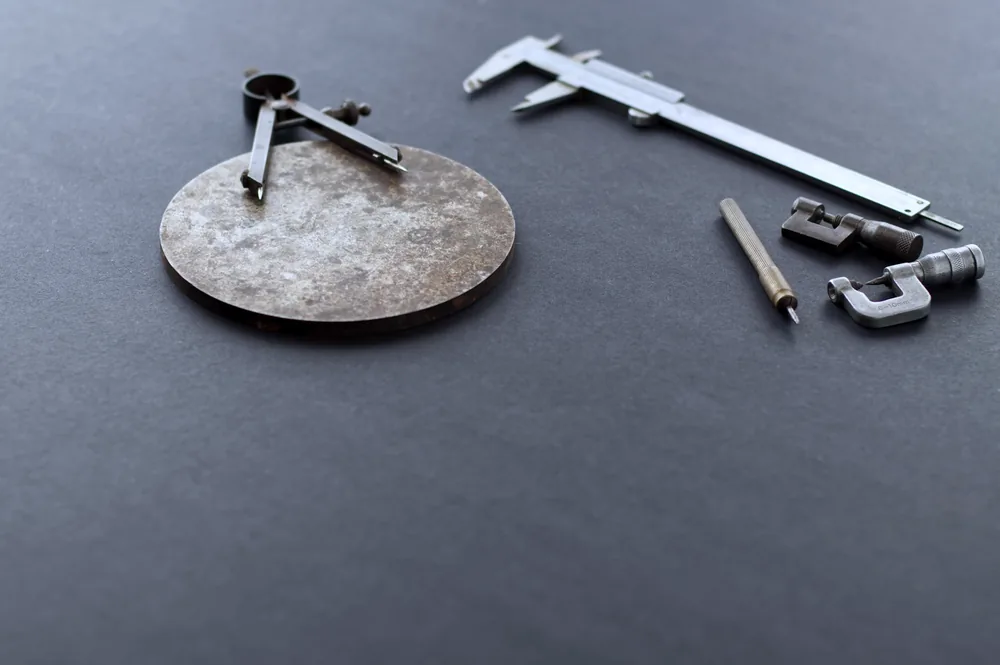
It removes effort, not judgement, and it will take a finger off if you're not careful. What building with it actually changed, and what it didn't touch at all.
Once it told me a bug was fixed when the fix had never run, because the code path was behind a switch that defaulted to off.
Believing that would have shipped an accessibility regression to real people. The tool didn't catch it. Understanding it caught it.
When you think you've solved an issue, only to find it re-appears again and again, you can't help but realise that even if AI is used, it still takes a human to guide it.
Three times this month I've had it hand me something plausible that didn't survive being measured.
A power tool doesn't make you a carpenter
AI, it's a power tool. It removes effort, not judgement, and it will take a finger off if you're not careful.
Hand a jigsaw to somebody who has never cut a joint and you don't get furniture, you get an expensive noise and a trip to A&E. The tool removed the effort of the cut. It didn't supply any of the skill.
A model will write you a function in seconds that would have taken 20 minutes in the past. It will also write you a function that looks exactly as you expected, but is quietly wrong. The only thing standing between that and your users is whether you knew enough to catch it.
What actually changed
Change one rule in a stylesheet that's inlined into 40 pages and every page has to be updated identically, or the site drifts. That used to be an afternoon of careful, boring work where the mistakes come from tedium rather than difficulty. It's now a few minutes and the boredom isn't a risk any more.
Give a craftsman a hand-saw and you might get some beautiful furniture, give them a jigsaw and you still get the same furniture, but they get to do it faster and more efficiently.
A studio of one gets to attempt things that would have been out of reach on time alone. Catchlight has a UIKit rewrite in it, an encrypted store, sync, widgets, Shortcuts and a full site because the cost of the mechanical effort came down.
It's easy to point your finger at AI use, claim it's not worthy, even dismiss a project because AI was used. If you do that, do you also point the finger at the carpenter who uses a power drill? If you think AI use is a problem, then using a power tool has the same issue. We don't consider it a problem because better technology, like power tools, allows you to be more efficient. They don't replace the skill needed to make the chair, they improve the speed at which we can sit down.
What didn't change at all
No model has ever told me what a notes app should feel like, nor has it solved the problem of capturing a thought at 6am, when you're racing against your own brain's tendency to forget.
Fundamentally, you have to understand what good looks like, as well as bad. AI can't decide what's good, that's a subjective choice. It can decide how to write a function that will likely work, that's largely an objective choice. It won't tell you whether a feature you're chasing is pointless any more than I could tell the carpenter how to build our chair.
When something ships broken, no one ever gets to say "the model wrote it". When I ship a product, my name is on it. That was true when the code came directly from my knowledge and it's true with AI.
If anything the bar went up, because more code arrives per hour and every line of it needs the same scrutiny as before. A failing test is still the only thing I actually believe.
Where I think the line sits
I know you can tell pretty quickly if an app is written by someone who knows what they are doing. Whether AI-generated or not, it's that understanding that makes the difference to the user experience.
Somebody who can't read the code they're pasting or generating is in trouble, and that's a real change in scale, because the output is now fluent enough to look reviewed when it hasn't been. That's an argument for reading it, not for refusing the tool.
It's a stark reminder that, right now, AI is still something we can use to make us more efficient, but isn't ready to decide when something is done and, even less so, done well.